

Over the course of this series, I have reflected on what teaching relational evangelism at Talbot Seminary has revealed about today’s church.
One church leader recently commented on LinkedIn that Observation #1, “External Connection Is Surprisingly Low,” was to him the most significant issue on the list. My sense of his comment was that the others didn’t matter as much.
Hmm.
While I agree that the first observation is deeply concerning, I would place the others alongside it in importance. In fact, some practitioners would place Observation #5 as the most urgent of all.
The gap in influence training affects every believer and directly impacts God’s mission. Since over recent decades North American culture has risen to a new high mark of secularization (25 percent non-religious), the church faces a new reality. More people are not moving toward our church buildings. They are living, working, and making life decisions apart from any meaningful engagement with Christianity.
If the church hopes to reach them, believers must learn how to become effective gospel influencers.
Why Influence Training Matters More Than Ever
One of the most common challenges students encounter when engaging friends outside the faith is the issue of spiritual indifference.
Research on younger adults (National Study of American Twenty-somethings) concluded that 54 percent of religiously unaffiliated individuals (“nones”) were “Indifferent Secularists.” These people are not hostile toward faith, rather, they simply do not see how faith matters to them: How it would benefit, bring meaning or elevate their lives. Christianity appears inconsequential to their daily realities and life experience.
That reality creates a significant challenge for the church. As a result, Christians must learn how to communicate the gospel in ways that connect with the real concerns, needs, and aspirations of people around them.
This is where influence training becomes essential.
Being able to talk about faith in ways that create interest, invite dialogue, and demonstrate relevance is now a critical evangelistic skill. This goes beyond sharing a testimony or presenting gospel facts. It involves influencing minds and hearts.
Jesus consistently modeled this deeper approach.
His conversations awakened curiosity. They addressed personal needs. They connected eternal truth to real-life situations. Whether speaking with Nicodemus, the Samaritan woman, the adulterous woman, or the rich young ruler, Jesus tailored His conversations to the person standing in front of Him.
His words were always aimed at the deepest needs of the human soul.
Influence Training Develops Gospel Influencers
One reason influence training is often overlooked is that many churches place most of their evangelistic emphasis on attracting people to church services.
While gathering unbelievers into church environments is vital to the movement, secularization has dramatically limited its impact. Increasingly, gospel conversations must happen where people already live, work, and socialize.
The frontlines have moved outward. From a strategic point of view, this requires believers who can function as gospel influencers.
Unfortunately, many church leaders have never received this kind of training themselves. The ability to communicate Christian truth in culturally resonant ways is not commonly taught in discipleship pathways.
Yet this is precisely how Jesus ministered.
He entered conversations already taking place in people’s lives and connected those conversations to the Kingdom of God. His approach was highly relational, deeply personal, and remarkably influential.
Developing believers who can do the same should be a central discipleship priority.
Influence Training Begins with Vision
Before believers can influence others, they must first possess a compelling vision of what the gospel can accomplish.
Consider that every unbeliever is already living according to a particular vision for life. Whether consciously or unconsciously, they have made a belief related choice. Gleaned from a leader I talked with while training in Africa, people outside faith generally believe…
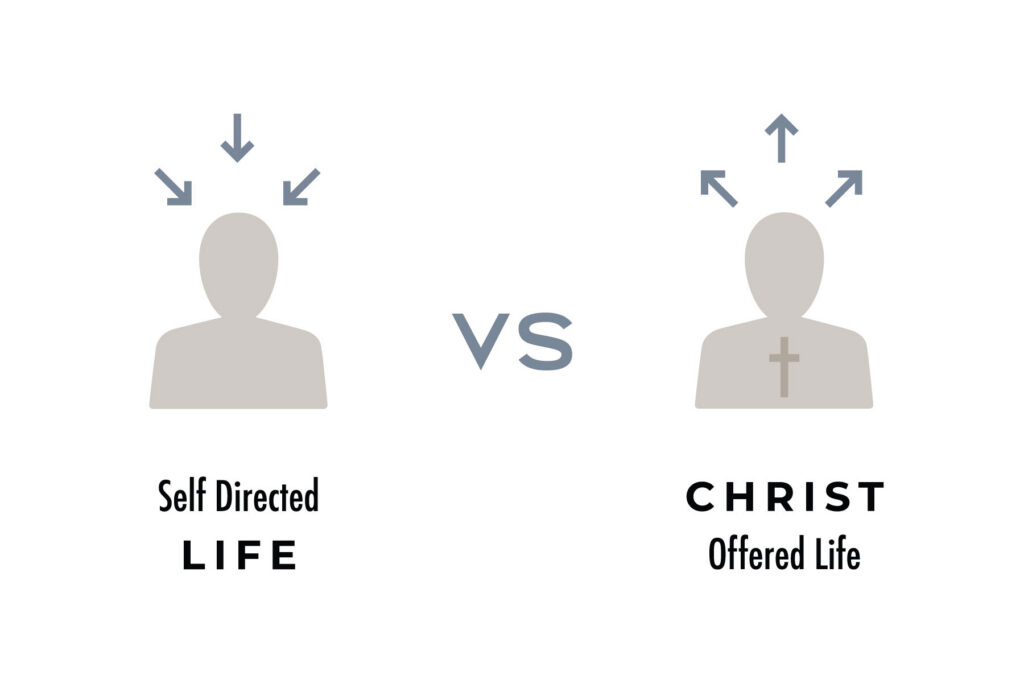
THEIR SELF-DIRECTED LIFE is greater than THE CHRIST-OFFERED ONE.
That assumption lies at the heart of spiritual indifference.
In my classes, I often challenge students with a simple question:
“Is your friend’s belief true? Is the life they are building apart from Christ actually better than the life Jesus offers?”
I sit in it. I want the students to wrestle with that question. To dig down on the transforming power of the gospel.
Remember that Jesus changes lives.
Consider how much reconciliation with God matters.
Know the gospel speaks to humanity’s deepest needs.
Only when believers gain such conviction do they become well tooled for influencing others.
Influence begins with confidence in what God can do.
All Believers Must Learn Attraction Building
Within the Relational Evangelism Process (REP), one of the earliest skills students learn is what we call “attraction building.”
Attraction building is the ability to create genuine interest in spiritual conversations.
It helps believers communicate why faith matters and why discussing spiritual issues is worth someone’s time and attention.
This involves:
- Deepening relational connection to open conversations
- Using authentic personal disclosure to raise interest levels
- Identifying spiritually-related needs
- Framing up meaningful dialogues
Effective attraction building creates resonance.
People begin to hear the gospel as good news for their actual lives rather than merely as religious information.
This was a defining characteristic of Jesus’ ministry.
He consistently connected truth to the specific stories, struggles, and longings of individuals. Every conversation carried a faith-forming purpose.
His example remains the model for believers today.
Influence Training Is Now Essential
The early church grew because ordinary believers carried the message of Jesus into everyday life. They engaged households, neighbors, coworkers, and communities with joy, confidence and conviction.
Today’s church must recover that vision.
Why was I invited to teach relational evangelism at Talbot Seminary?
Partly because my book, Soul Whisperer, explores how believers can become effective influencers for Jesus.
What I have shared here only scratches the surface.
Yet after years of teaching future pastors and church leaders, my conclusion remains unchanged:
Influence training is no longer optional.
Secularization is not approaching. It has arrived.
If churches intentionally disciple believers to become gospel influencers, God can use ordinary Christians in extraordinary ways to draw people toward faith, deepen gospel conversations, and expand the reach of His Kingdom.
The future church will not simply need better programs.
It will need better influencers.
And that work begins now.
How prepared are the people in your church to engage meaningful spiritual conversations outside the church walls?
If your answer is “not very,” it may be time to rethink your discipleship strategy.
Explore resources designed to equip believers as gospel influencers:
- Read Soul Whisperer
- Enroll in the John 4 Online Course
- Explore our Training Seminars
- Subscribe to Soul Whisperer Ministry emails
- Share this article with pastors and ministry leaders seeking to expand their church’s missional impact
Together, we can help believers become the voice God uses to draw others toward Jesus.

Be The First To Comment